

A study by the European Society of Cardiology reported short people had a fifty percent higher risk of having heart disease. Heart problems included angina (chest pain), heart attack, and angioplasty (the technique of mechanically widening a narrowed or obstructed blood vessel).
Short people were under 5 feet 3 inches and the tall ones were over 5 feet 9 inches. This peculiar association may be due to the shorter person having narrower coronary arteries which can be occluded earlier in life.
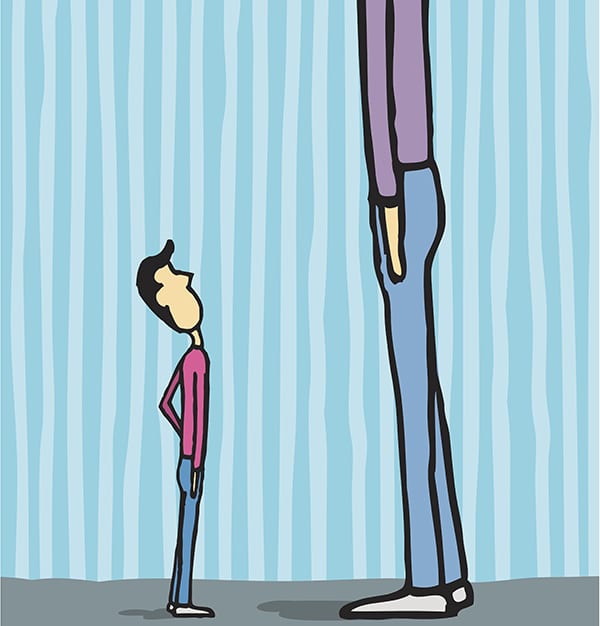

Height though is only one factor that may contribute to heart disease. Short people can’t control their height, but might have to be extra cautious in managing their lifestyle. Overweight, high cholesterol, and lifestyle habits, such as smoking, drinking and lack of exercise, are other known heart disease risk factors, but can be controlled.
The findings suggest that the genes, rather than early-life poor nutrition or birth weight, which affect body height may be responsible for the increased risk of heart problems later in life. Additionally, shorter women may pose an even higher risk for cardiac events than shorter men.
