
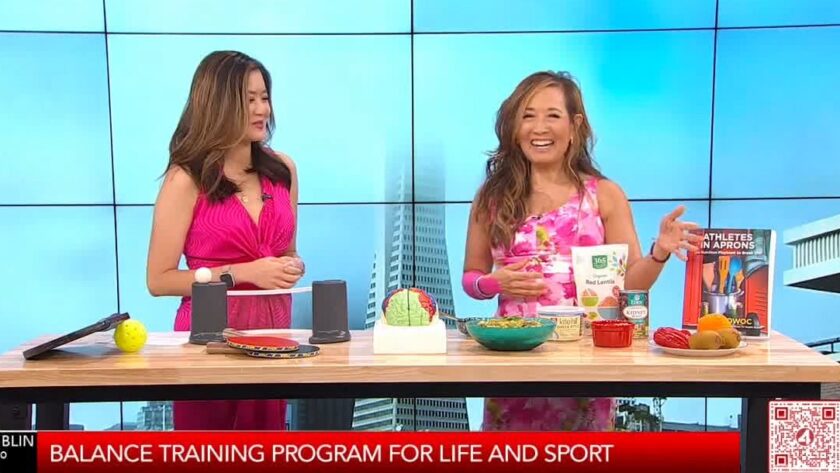
Physical activity throughout life, including your senior years, is associated with good health and longevity. But If you’re unmotivated to exercise, here’s the strategy to get going and stay active – plus the ideal post-exercise dish for optimal recovery.
What If You Hate to Exercise
- Change your concept of what you consider exercise. Forget working out and think playing instead. Play a sport!
- Think outside the big box gym. Consider your own ‘fitness personality’. See Motivation… What Makes YOU Move?
- Have fun! You’re more likely to remain active if you’re doing something you enjoy.
Sport Participation in Mid-Life Helps in Later Life
According to research*, men who were active in middle age were nearly three times as likely to remain active in their senior years, the study found.
Interestingly, sport participation in midlife predicted physical activity in old age more strongly than other types of physical activity like walking.
Men who played sports for 25 years or more were nearly five times as likely to be physically active into older age compared with men who didn’t play sports.
*The study tracked the exercise levels of nearly 3500 men over a span of up to 20 years.
Some of the Best Sports for Older Adults
- Pickleball – Is the fastest-growing sport in America (a paddle sport that combines elements of tennis, badminton, and ping pong)
- Table Tennis – Ping pong is physical, cognitive (it challenges the brain), and social — all of which are so important for people with Parkinson’s and Alzheimer’s.
Why Ping-Pong is Beneficial to Parkinson’s and Alzheimer’s Patients
Both sports require:
- Balance
- Hand-eye coordination
- Exercising motor skills
- Concentration —all of which are affected by Parkinson’s (See Ping Pong Parkinson’s)
- Coordinating both their left and right limbs simultaneously. This simultaneous activity stimulates both hemispheres of the brain in Alzheimer’s patients.
Among those who played table tennis consistently (that is, they engaged in mentally and physically stimulating activities):
- Showed improvements in all of the five areas.
- Had reduced incidents of freezing*.
- Had a greater ability to perform ADLs (activities of daily living).
- Improved balance control.
- Increased walking speed.
- Improved mental well-being.
*Many people with mid-stage to advanced Parkinson’s disease (PD) experience “freezing”. Freezing is the temporary, involuntary inability to move.
Alzheimer’s is a progressive neurodegenerative disease that leads to a decline in cognitive function. Sept 21 is World Alzheimer’s Day.
For Alzheimer’s patients, the increased blood flow to the brain from the exercise and the mental stimulation from table tennis are invaluable, resulting in:
- Increased mental alertness (ALZ)
- Increased agility (ALZ)
- Slowed the progression of cognitive decline (ALZ) – can potentially enjoy a higher quality of life for a more extended period
Study 1: Played 6 months (which included warm-ups, preparatory exercises, and stretching).
Study 2: Played twice a week for 10 weeks improved participants’ balance control, walking speed, and mental well-being.
https://www.cbsnews.com/news/parkinsons-disease-symptoms-ping-pong/
What Are the Positive Aspects of Playing a Sport?
1. Support: If you’ve become socially isolated and/or feel a lack of support due to changes in your social roles and relationships, consider playing a sport. When participating in a team sport, you have a built-in support system.
2. Social Network: Being a part of a team makes you feel connected. You’re part of a common effort, which further develops and deepens friendships. Research shows maintaining quality social bonds have been linked to better health, while social isolation has been associated with an increased risk of inflammation and worsened hypertension in old age.
Studies published in the Journal of the American Heart Association and Cancer have associated better recovery from disease, including breast cancer and heart attack, with a strong social network.
3. Accountability: When you’re on a team or in a club, it’s not just about you. You become accountable to the friends that you play with, and the accountability factor is huge when it comes to showing up consistently.
4. Common Effort: When you play a sport, there’s a common effort, and it feels good when a teammate says, “Great shot!”. But when you work out in a gym, do you every hear someone say, “Hey, great bicep curl!”?

Karen’s Fit Tip: Engage in activities that help you play sports. Practicing flexibility, strength training, and healthy eating can help you stay in optimal shape to play your sport and help fight the aging process.
What’s a Good Meal to Eat After Exercise?
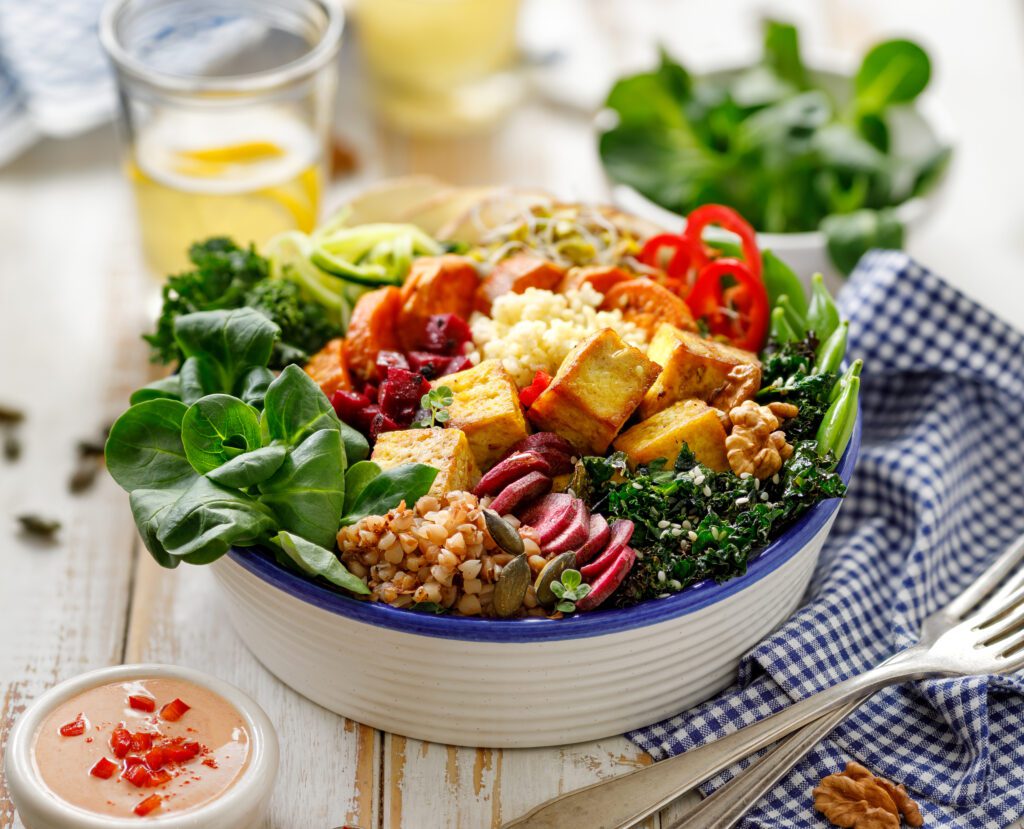
For optimal recovery, plan a post-exercise meal that includes:
1. Lean protein: (15-25 gm) to stimulate muscle protein repair and growth, e.g., beans, lentils, Greek yogurt. More than this amount has shown to have no significant benefit.
2. Carbohydrates – Focus on “complex” carbohydrates (e.g., beans, legumes, whole grains) instead of “refined” (processed) carbs (e.g., white flour, white rice, white pasta, white sugar) to replenish glycogen (energy) stores in liver and skeletal muscles.
3. Vitamin C* – plays an important role in rebuilding and recuperating
- Supports protein metabolism – vital for growth and repair
- Helps form collagen – the glue that strengthens connective tissues (essential for healthy tendons and muscles)
- Helps reverse exercise-induced oxidative stress, which can cause cell damage and slow recovery. Physical performance induces oxidative stress, inflammation, and muscle fatigue.
5. Healthy fat (vitamin E) to reduce cell damage, such as almonds, avocado, red bell pepper
6. Water and water-rich foods
7. Unlimited fruits and vegetables for nutrients, hydration, antioxidants, such as cantaloupe, watermelon, salad
Try this Blueberry Breakfast Salad as a post-game re-energizer!

