Why the Types of Exercises Matter in Balance Training
If you’ve been going to the gym for months (or years), following a routine on all the “machines” and don’t see any real results. Here’s why…
Isolation Exercises
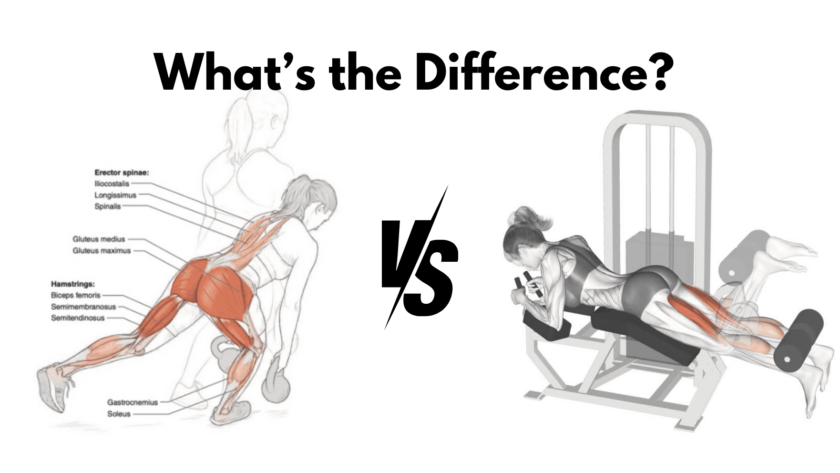
The machines in the gym primarily focus on a specific muscle group where you typically go from machine to machine to get a “full body” workout. These are called isolation exercises. They involve a single joint and use just one muscle or muscle group at a time.
When exercising on machines where you’re either sitting down or lying down, the core muscles you use when you’re moving on foot are not being trained. If you’re recovering from a stroke, surgery, or injury though, machines can help enhance strength by isolating one muscle group at a time.
However, for your body to defy the aging process, your muscles need to be trained to “work together” (not in isolation) as they do in real life and sport. The key to living a long and independent life is to build functional strength that translates to ‘movement patterns’ that mimic everyday activities.
Compound exercises are only effective when posture, balance, and mobility are addressed first — otherwise, they reinforce compensation. This is why many active people train consistently but don’t move better or feel better.
Compound Exercises
Compound exercises require more coordination and stability as they’re movements that involve multiple joints (“multi-joint”) and recruit multiple muscle groups simultaneously. An example of a compound exercise is the ‘single-leg deadlift’ as demonstrated in the video below.
Doing compound exercises improves your movement proficiency, that is, they help YOU MOVE BETTER, and give you the edge you need to achieve your functional goals.
 Karen’s Fit Tip: If you’re already doing “balance training exercises”, be certain that what you’re doing is helping you strengthen your balance and motor control. You’ll want to optimize your time spent training, especially if you already exhibit the warning signs of falls. Exercise under the guidance of a certified clinical exercise physiologist who is trained to prescribe exercises for balance, fall prevention, and for your particular medical condition(s).