
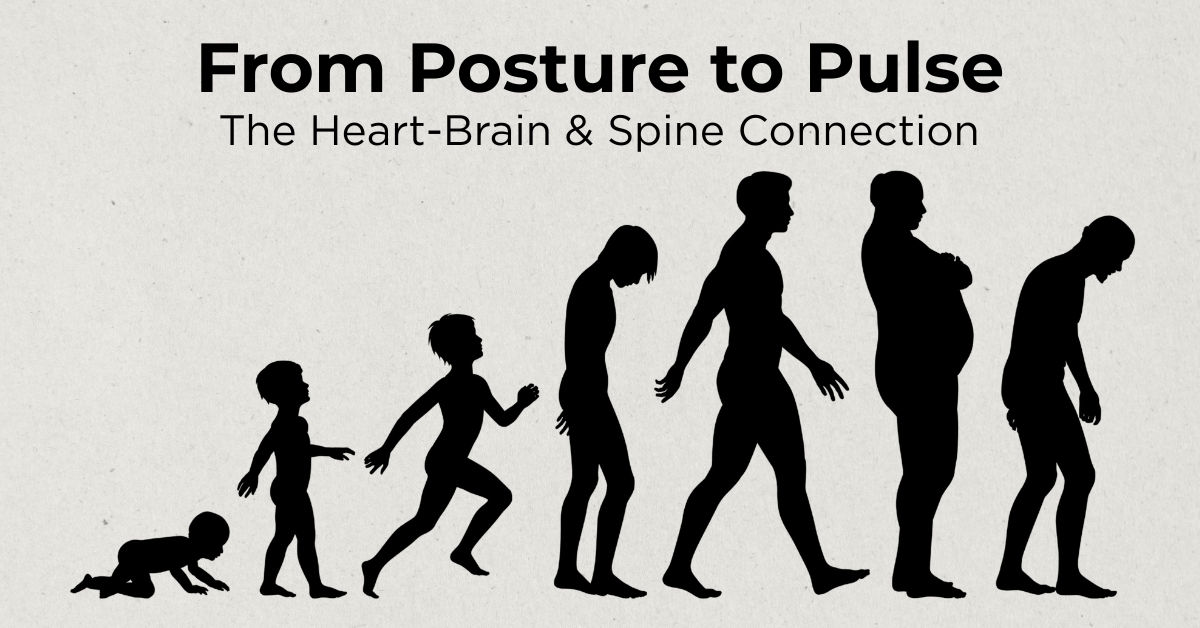
The foundation of living younger longer
Posture, balance, and movement are not fitness trends — they are the physical foundations of living well over time.
How we sit, stand, walk, reach, and recover shapes how long we remain independent, capable, and confident in daily life. These patterns influence heart-brain health, joint health, fall risk, energy, resilience, and the freedom to keep doing what we love.
Functional longevity isn’t about pushing harder or doing more. It’s about preserving the ability to move with stability, efficiency, and trust in your body — year after year.
When posture supports balance, and balance supports movement, the body remains adaptable. That adaptability is what allows people to play longer, stay engaged, and age with strength rather than limitation.
Living Younger Longer Isn’t About Doing More
It’s about preserving the ability to move well, play confidently, and live independently over time.
When posture, balance, and movement are supported, people don’t just age — they remain engaged in life.
My work is grounded in the belief that movement is not a separate category of health. It is the lens through which longevity is experienced.
Why These Foundations Matter
Strength and fitness matter, but they are not the starting point.
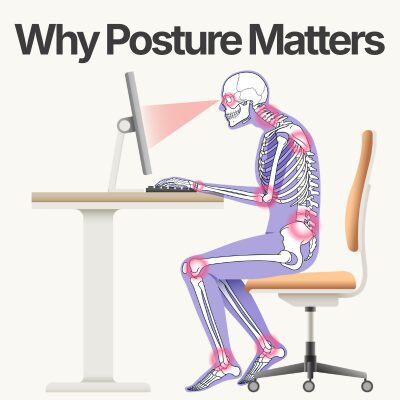 Posture influences how joints load, how we breathe, and how efficiently the body moves through space.
Balance reflects the health of the nervous system and directly affects confidence, fall risk, and independence.
Movement quality determines whether activity builds resilience — or quietly accelerates breakdown.
When these foundations erode, people may still stay “active,” but with increasing effort, compensation, and risk. When they’re protected, movement feels easier, safer, and more sustainable across the lifespan.
Beyond Fitness
Exercise alone does not guarantee longevity.
Someone can be strong but unstable, active but vulnerable to injury, and motivated but held back by pain, stiffness, or fear of falling.
Posture, balance, and movement quality sit beneath performance. They shape how safely and confidently the body responds — not just during workouts, but during everyday life.
Play as a Longevity Signal
Play reveals readiness.
Activities like pickleball, golf, walking, hiking, or gardening all rely on the same foundations: the ability to squat, rotate, stabilize, recover balance, and move with control. These everyday movements all depend on the same physical foundations.

When those patterns are compromised, the issue isn’t the activity — it’s the foundation beneath it.
Protecting posture, balance, and movement helps preserve access to play, participation, and enjoyment well into later decades of life.
Aging, Independence & Confidence
Functional longevity isn’t about reversing time.
It’s about protecting the systems that allow choice.
- The choice to move without fear.
- The choice to stay involved.
- The choice to continue doing the things that bring joy, purpose, and connection.
Posture, balance, and movement aren’t performance goals — they are independence goals.
Posture, Balance, Movement & Brain Health
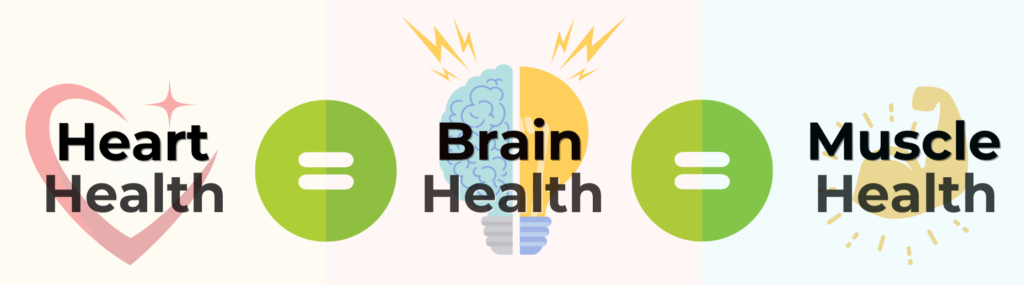
Balance, posture, and movement are not just physical abilities — they reflect how the brain, sensory systems, and musculoskeletal system communicate. Changes in balance and gait are often early signals of broader neurologic and functional decline.
➜ KRON 4 | The Balance and Brain Health Link
Why single-leg balance, gait changes, and posture are early indicators of brain health and longevity.
A Foundational Perspective
My work is grounded in a simple belief:
Longevity is not defined by how long we live, but by how long we remain capable — physically, mentally, and emotionally.
Protecting posture, balance, and movement supports that capacity at every age.
Related Education & Media
Balance, Falls, and Functional Independence
Falls are not random accidents — they are often preceded by subtle changes in posture, balance, strength, and coordination and affect independence and injury risk across the lifespan.
➜ KRON 4 | How to Improve Your Balance and Quality of Life
Warning Signs of Declining Balance
Why posture changes, muscle imbalances, and excess abdominal load increase fall risk.
➜ Six Warning Signs You’re Likely to Fall Down
Posture, Load, and the Spine
How excess forward load affects balance, spinal health, and long-term function.
➜ Why a Big Belly Increases the Risk of Falling Down
Tech Neck and Modern Life
How forward head posture affects breathing, mobility, pain, and longevity — and what to do about it.
➜ KRON 4 | How to Improve Tech Neck
How We Train Movement That Transfers to Life
Exercise only supports longevity when it improves how the body moves, stabilizes, and adapts in real-world conditions.
➜ How to Exercise for Better Balance